The Rise of the 15-Minute Suburb: Why Walkability is North Atlanta’s New Luxury
February 5, 2026
February 5, 2026
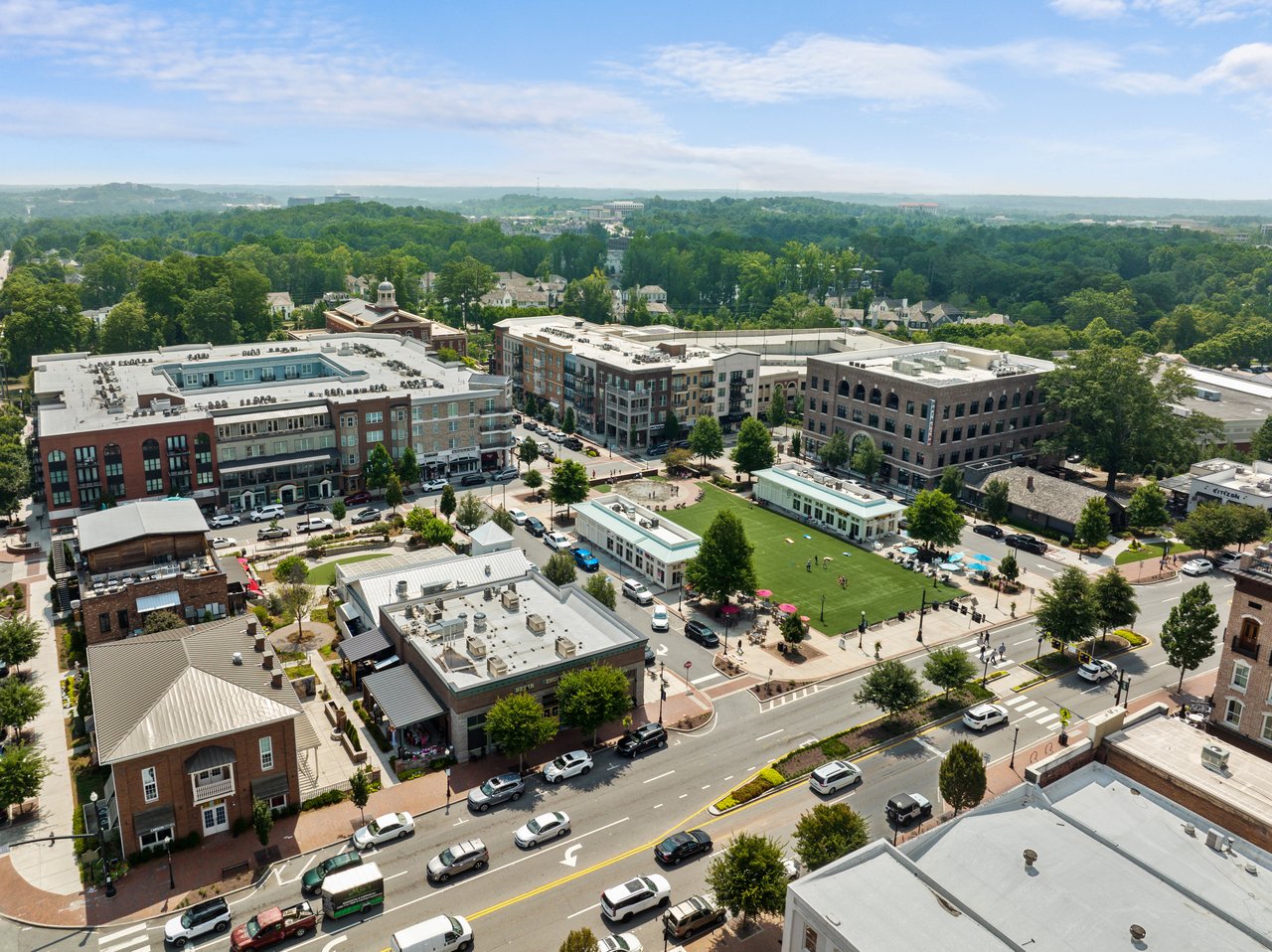
The North Atlanta real estate landscape is undergoing its most significant transformation in decades. We have officially moved past the era of the "Commuter Town," where the primary goal was to find the largest possible house at the furthest possible distance from the city. Today, the definition of luxury has shifted. Walkable urban places command a significant price premium —often 75% higher than traditional drivable suburbs. In North Atlanta, this trend is no longer just a preference; it is the primary driver of property value and long-term investment stability.
In cities like Alpharetta and Roswell, the traditional grid is being replaced by the "Pocket Neighborhood" concept. These micro-communities prioritize human connection. For young families, it means a safe environment for children to play; for active adults, it offers a built-in social network. This intentional design is why developments near the Alpha Loop or Historic Roswell are seeing record-breaking demand.
Even in Milton, a city defined by its equestrian roots and rural character, the "Village Concept" is thriving. The Crabapple District serves as a masterclass in balancing density with preservation. Residents can enjoy the privacy of an acre-plus lot while remaining a short bike ride away from award-winning dining and retail. This "rural-urbanism" allows homeowners to maintain the quiet lifestyle they crave without the isolation typically associated with large-lot living. It provides a third place, a social environment outside of home and work, that is essential for modern community mental health and well-being.
The shift toward walkability is also a strategic response to Atlanta’s notorious traffic. As the metro area continues to grow, the car-optional weekend has become the ultimate status symbol. Future-proofing your real estate investment now means looking for "Walk Scores" and proximity to mixed-use infrastructure. According to the National Association of Realtors (NAR), 85% of homebuyers prefer neighborhoods with sidewalks and places to walk, and they are willing to sacrifice square footage to get it. By choosing a home with easy access to the Big Creek Greenway or downtown hubs, buyers are insulating their equity against future market shifts.
Ultimately, the communities investing in pedestrian-centric infrastructure, like those across North Fulton, are positioning themselves for sustained growth. Walkable living reduces the carbon footprint, promotes a healthier lifestyle, and creates a vibrant local economy where small businesses can thrive. As we look toward the next decade, the most valuable assets in North Atlanta won't just be the houses with the best kitchens; they will be the houses that offer a seamless connection to the world outside the front door.